
How to Start a Container Garden: A Beginner's Guide
Six pots on a fire escape, three on a windowsill, one sprawling tomato plant on a sunny patio — that counts as a garden. Container growing is forgiving, cheap to start, and easy to rearrange when something isn't working. It also has its own rules. A pot is not a small patch of ground: it dries out faster, heats up quicker, and runs out of nutrients sooner. Once you plan around those facts, the rest is mostly common sense.
Pick the Container Before the Plant
The pot decides how often you water, how big a plant can grow, and whether your roots survive the summer. Choose it first, then buy plants that fit.
Size and drainage
Bigger is almost always easier. A twelve-inch pot holds moisture far better than a six-inch one, and it won't tip over in wind. For anything you plan to harvest — tomatoes, peppers, chard — think at least five gallons of soil per plant. Drainage holes are non-negotiable. If a decorative pot has none, use it as a cachepot and set a plain nursery pot inside, then empty the water that collects at the bottom.
Material matters less than you think
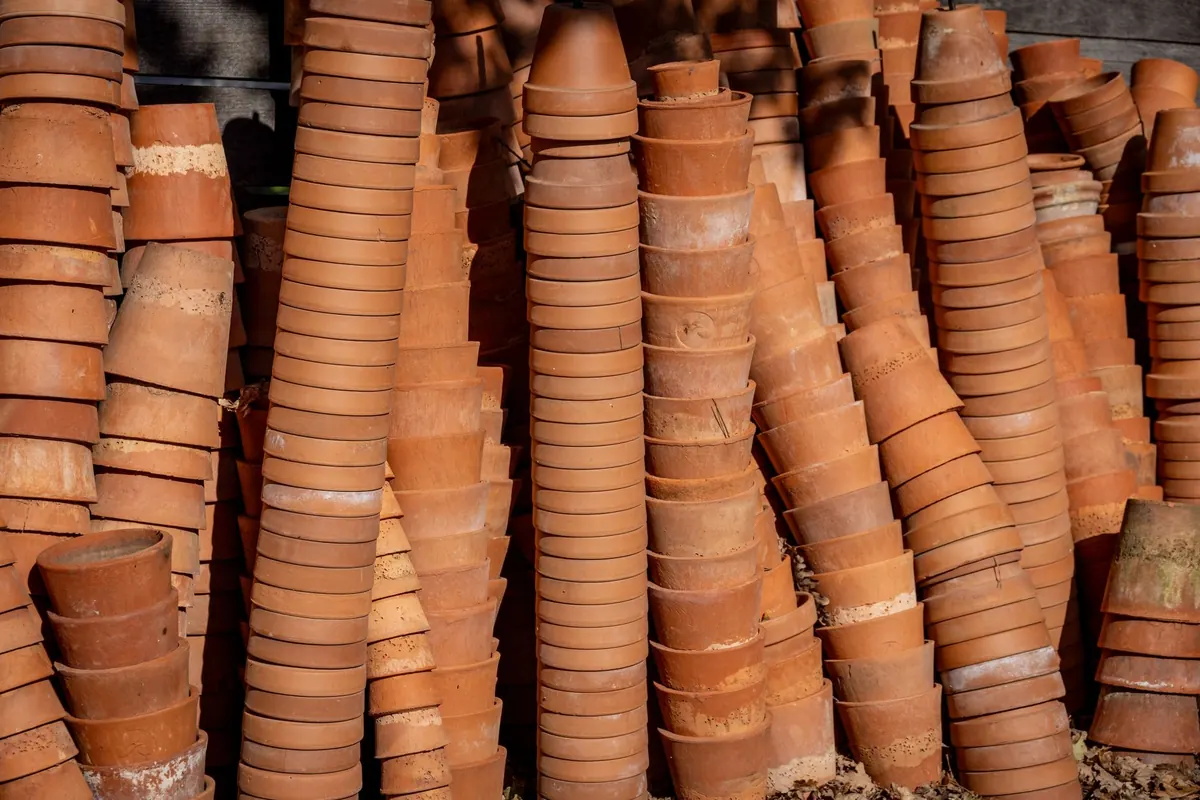
Terra cotta breathes and dries out quickly, which suits rosemary and thyme. Glazed ceramic holds moisture longer but is heavy. Plastic is light, cheap, and practical, especially for balconies with weight limits. Fabric grow bags air-prune roots and drain beautifully, though they dry fast. Wood is handsome and insulates well if it's rot-resistant and untreated.
Two things to avoid: dark pots in full sun, where roots can cook, and narrow-necked containers that make repotting a wrestling match.
Use Potting Mix, Not Garden Soil
Soil dug from the yard turns to brick in a container. It compacts, drains poorly, and can carry weed seeds and pests. Bagged potting mix is built for pots: light, porous, and able to hold both air and water. Look for a blend of peat or coir, bark fines, perlite, and compost.
If you want to skip frequent feeding, choose a mix with slow-release fertilizer already blended in, or stir a few handfuls of finished compost through the top layer. Fill the pot to within an inch or two of the rim so there's room to water without overflow. Tamp the mix gently as you fill — firm enough to support roots, loose enough that water still moves through.
Choose Plants That Forgive Beginners
Match plants to the light you actually have, not the light you wish you had. Spend a day noting where sun lands and for how many hours. Six or more hours of direct sun counts as full sun; three to six is part shade; less than three means leafy greens and shade-tolerant herbs.
Reliable choices for a first container garden:
- Herbs: basil, chives, parsley, thyme, rosemary. Grow mint in its own pot — it spreads aggressively.
- Greens: lettuce, spinach, chard, and kale, which tolerate part shade and keep producing if you harvest outer leaves.
- Fruiting plants: cherry tomatoes, bush or determinate tomatoes, peppers, and bush beans. These need sun, space, and steady feeding.
- Flowers: marigolds, calendula, petunias, and nasturtiums, which are cheerful, tough, and attract pollinators.
A classic design trick is to combine a tall centerpiece, a mounding middle, and something that trails over the edge. Basil in the middle, marigolds around it, and trailing nasturtium at the rim makes a handsome, useful pot. Skip corn, pumpkins, and full-size zucchini — they want room you don't have.
Water Deeply, and Check Every Day
Containers lose moisture fast, especially in wind and heat. The finger test still works best: push a finger an inch into the mix. Dry at that depth means water now. When you do water, soak until it runs out the bottom, which pulls roots downward instead of letting them hover at the surface.
In mild weather, that might be every two or three days. In July, small pots may need water twice a day. Morning is the best time, since foliage dries before evening and you lose less to evaporation. A layer of mulch — straw, shredded leaves, even a few pebbles — slows moisture loss and keeps the surface tidy.
Feed, Prune, and Watch for Pests
Every time you water, a little nutrition washes out the drainage hole. Heavy feeders like tomatoes and peppers appreciate a liquid fertilizer every two to three weeks, mixed according to the label. Herbs and greens need less. More fertilizer is not better; too much pushes leafy growth at the expense of fruit and can burn roots.
Pick and pinch regularly. Harvesting basil tips and snipping outer lettuce leaves keeps plants bushy and productive, and deadheading spent flowers encourages more blooms. Inspect the undersides of leaves once a week — that's where aphids and spider mites congregate. A firm spray of water handles most small infestations before they get established.
Mistakes Worth Avoiding
- Pots that are too small, which means constant watering and stunted plants.
- No drainage, or a saucer left full of standing water.
- Filling containers with garden soil.
- Crowding: one tomato per pot, not three.
- Watering a little every day instead of thoroughly when needed.
- Planting heat-lovers outdoors before the nights are warm.
Start Small and Keep Notes
Three pots is a fine first garden: one herb, one green, one flower or fruiting plant. Put them where you'll walk past them daily, because container gardening rewards attention more than equipment. If something dies, empty the pot, refill it, and try again — that's normal, not failure.
Keep a few notes on your phone: what you planted, where it sat, how often you watered, what thrived. By next spring you'll have your own short list of plants that work in your light and your schedule, which is worth more than any general advice.
Photo: Magda Ehlers / Pexels