
Seasonal Foraging: A Guide to Edible Wild Plants in Spring
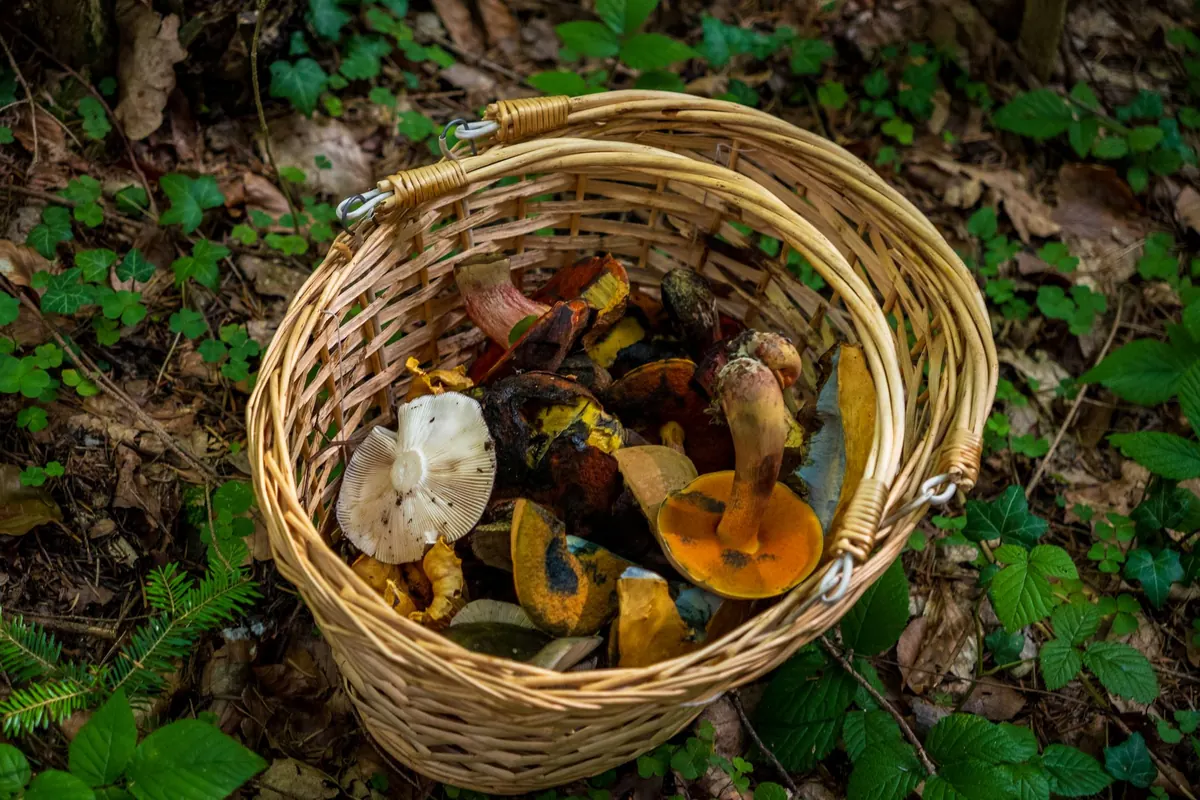
The first genuinely warm week of spring changes the ground faster than it changes the trees. Chickweed spills over garden beds, nettles push through last year's dead stems, and dandelions open in any patch of sun. For anyone learning to forage, this is the most forgiving window of the year: growth is young and tender, nothing has bolted or turned bitter, and there is no canopy yet to hide the ground. It is also the window when poisonous plants are young and tender, which is why the first few outings should be about learning a handful of species properly rather than filling a basket.
Why Spring Rewards Slow Learners
Nettle tops and dandelion crowns taste far gentler in March and April than the same plants will in June, when heat and flowering push bitterness into the leaves. Bare branches mean more light reaches the forest floor, so ground plants grow thick and easy to see. You can also study a whole plant's shape — leaf arrangement, stem, root — while nothing else is crowding it.
Pick one route near home and walk it every week. Watching chickweed appear, nettles shoot up and garlic mustard send out flower stems teaches more in a month than a stack of field guides. Take notes. Your memory for plants works best when it is tied to a place and a date.
Four Plants Worth Learning First
Dandelion
Deeply toothed leaves in a flat rosette, a hollow stem, and one flower per stem. Break a leaf and you'll see milky sap. Young leaves go into salads, though the bitterness is the point: soak them in cold salted water for twenty minutes, then dress them warm with oil or cook them with butter. The unopened buds and open flowers can be dipped in batter and fried. Its closest lookalikes, cat's ear and hawkweed, are also edible, which makes dandelion an unusually low-risk first plant.
Chickweed
Small oval leaves in opposite pairs, tiny star-shaped white flowers, and a thin stem carrying a single line of fine hairs that switches sides at each pair of leaves. That hair line is the detail to check. The flavour is mild and faintly corn-like, good raw in sandwiches or scattered over eggs. Chickweed grows in moist, disturbed soil — garden edges, allotments, the shaded side of a shed. It wilts within hours, so eat it the day you pick it.
Stinging Nettle
The sting is your identification. Wear gloves and take the top two to four pairs of leaves before the plant flowers, leaving the rest of the stem to keep growing. Cooking, blanching or drying destroys the sting completely. Snap the tip downward with a gloved hand or cut with scissors straight into a bag. Nettle soup, nettle pesto and nettle folded into an omelette are all worth the ten minutes of discomfort it takes to gather enough.
Garlic Mustard
A biennial: first-year plants are low rosettes of kidney-shaped, scalloped leaves; second-year plants send up a stem with white four-petalled flowers and toothed triangular leaves. Crush a leaf and smell it — the garlic scent is the confirmation you need. In much of North America it is an invasive species, so pulling whole plants is often encouraged where permitted. Use the leaves in pesto, and later in spring the young green seed pods, which taste sharply peppery.
The Safety Checklist
- Identify a plant from at least two sources, ideally a local field guide plus someone who already knows it. A photograph on a phone screen is not enough.
- Learn the dangerous families before the delicious ones. The carrot family includes poison hemlock and water hemlock; buttercups, foxglove and lily of the valley are also common and harmful. Never eat a plant you have placed in one of those groups by guesswork.
- Avoid roadsides, sprayed lawns, industrial edges and popular dog-walking ground. If you can't explain why the soil is clean, walk away.
- Try one new plant at a time, in a small quantity, cooked first where cooking is normal. Wait a day before eating more.
- Rinse everything. Field grit and insect eggs are the least of it.
- If you are pregnant, managing a health condition, taking medication or prone to allergies, speak to a doctor before eating wild plants. Nettles and dandelions are mild, but they are not nothing.
Harvest So the Patch Comes Back
- Take leaves and tops, not roots, unless the species is invasive and the land manager wants it gone.
- Take one or two leaves from each of many plants rather than stripping one plant bare.
- Leave most flowers and seed heads standing — that is next spring's patch.
- As a rule of thumb, harvest no more than about a tenth of a patch, and skip small isolated ones entirely.
- Leave slow-growing species alone. Wild ramps can take years to recover from a heavy pick, and some regions restrict them. If you do gather them, take a single leaf from each plant and leave the bulb in the ground.
- Walk on paths and step around, not through, the plants you are not taking.
Where You're Allowed to Pick
Rules vary by country, state and even by individual park. Before you fill a bag, find out who owns the land, whether it is a nature reserve with its own restrictions, and whether the species you want is protected locally. Private land needs permission — ask, and you'll find most owners are delighted to have their garlic mustard removed. Picking a small amount for your own kitchen is often treated differently from picking to sell, but the details are local and they change, so check with the land manager or your regional wildlife authority rather than relying on a general guide, including this one. When in doubt, leave it.
From Basket to Plate
Blanch nettles for a minute, squeeze out the water and you have a green that behaves like spinach. Soak dandelion leaves in cold salted water to lift grit and tame the bite. Wash chickweed gently and dry it well, or it turns to slime. Chop garlic mustard fine and stir it into pesto, or wilt it in butter for a minute. Cook in small batches, taste as you go, and write down what worked. Spring flavours fade fast, so a note from this year's April is worth more than a recipe you found online.
Practice Close to Home
Your first spring is not the year to develop a signature dish. It is the year to walk the same loop weekly, learn four plants beyond doubt, and get comfortable leaving things behind. Take a notebook, keep a list of species you're certain about, and add one new plant per season rather than ten per week. The basket fills slowly at first — and then, one warm April, it doesn't feel slow at all.
Photo: Michał Robak / Pexels